Dissemination stress
How tumor cells survive detachment, transit, and arrival in an unfamiliar organ.
University of Maryland, Baltimore and UMGCCC
Across dissemination, treatment, and growth in distant organs, pancreatic cancer cells encounter metabolic, oxidative, immune, and microenvironmental stress. We investigate the adaptive mechanisms that allow them to survive, persist, and ultimately grow into lethal metastases.
Our central question
We study how stress-adapted tumor-cell states emerge, withstand therapy, and initiate metastatic outgrowth. We also investigate how these cell states shape immune recognition and determine whether metastatic cells evade immune surveillance or remain vulnerable to it. Our goal is to identify the mechanisms these cells require and test whether they can be targeted to prevent metastatic progression.
How tumor cells survive detachment, transit, and arrival in an unfamiliar organ.
How slow-cycling persister cells withstand treatment and later resume growth.
How heterogeneous tumor-cell states either evade immune pruning or remain vulnerable to it.
How genotype and environment reshape nutrient use and create selective dependencies.
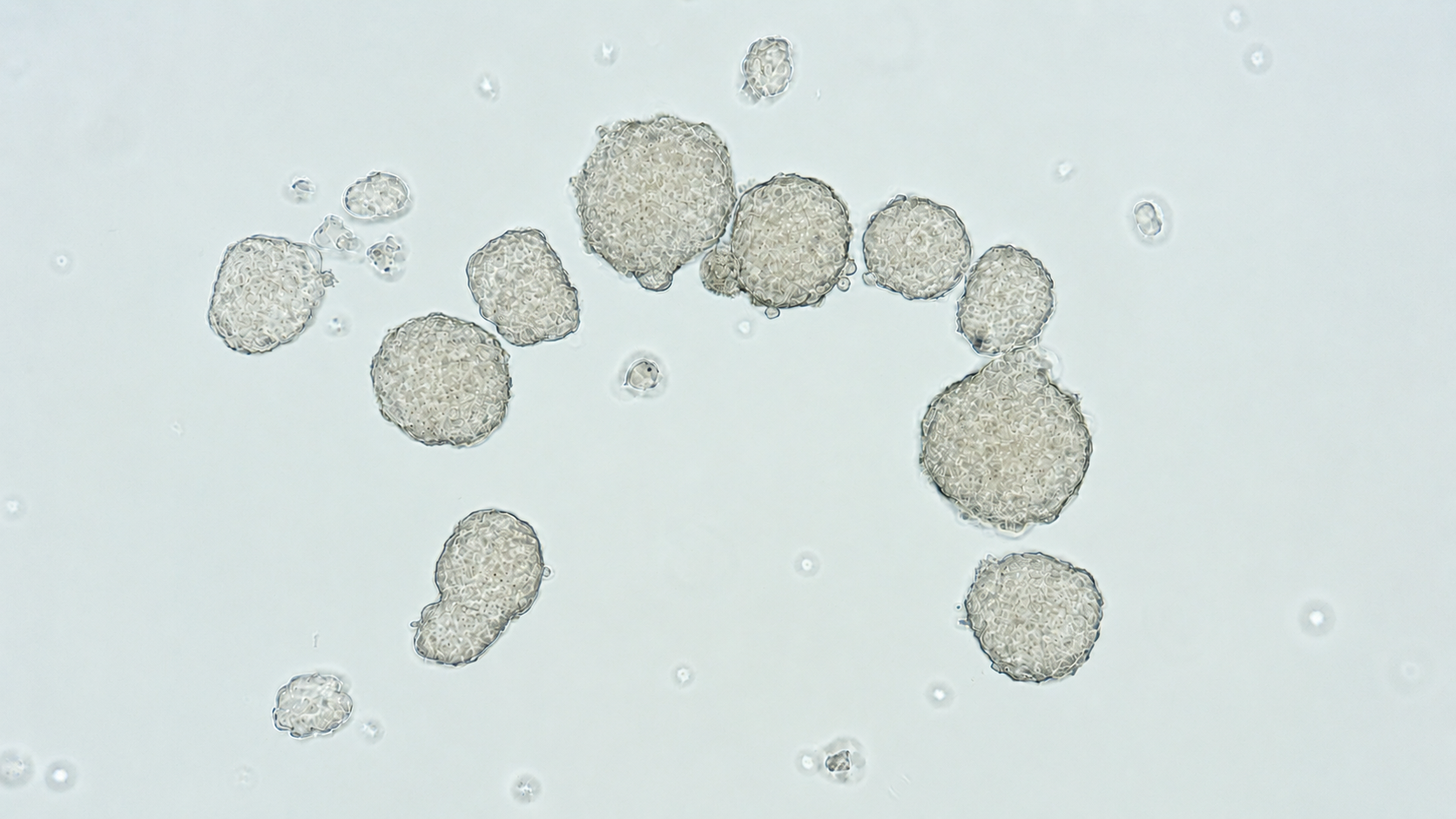
Latest publication, 2026
Our work identifies a GSTT1-high, CD133-high stem-like subpopulation in metastatic pancreatic cancer and an FGFR-dependent signaling axis that sustains this state.
Read on PubMed ↗